


Last updated: November 15, 2026
Quick Answer: a bowing basement wall becomes urgent when the wall is changing over days or weeks, leaking, or affecting framing above it. If you see new movement, consult a qualified foundation or structural professional right away. The sections below sort urgent warning signs from routine concern.
Key Takeaways
- A moving bowing wall is urgent; old damage alone is usually less concerning.
- Damage that changes in days or weeks is a higher-risk sign than damage that stays the same.
- Check the wall, water, and framing together, not just the wall alone.
- Stop waiting when the wall moves, leaks, or affects the framing above it.
Who this applies to, and what it assumes you already know
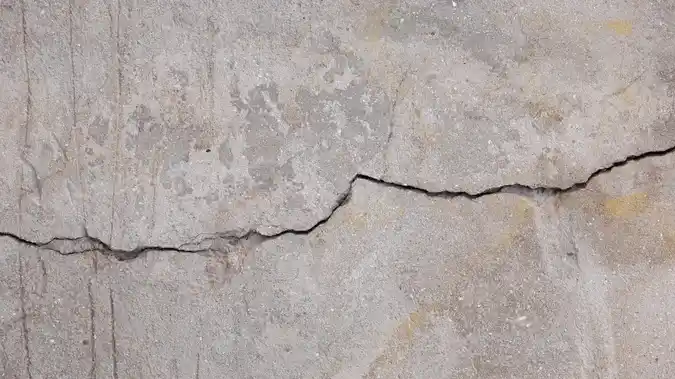
This applies to a homeowner or renter who can see a basement wall curve, lean, or bulge inward and wants to know whether the situation has crossed into emergency territory. It assumes you can spot the wall, nearby foundation crack, sump pump, basement beam, floor joist, or support post, but you do not need to know repair methods yet.
If the wall is already pushing on framing, if doors above are sticking, or if water is coming in with each storm, the safe move is to contact a qualified foundation or structural professional soon. For a quick reference on how water pressure and drainage affect basements, see the FEMA guidance on flood and home safety, and review EPA moisture guidance if leaks are present. This is not the time for a guessing game.
- What this guide covers: urgent signs, what the movement means, and when to stop waiting.
- What it does not cover: repair systems, cost estimates, or how to measure bowing at home.
- What to watch for: progressive movement, sudden cracking, water intrusion, and any sign that framing has shifted.
The truth is, a basement wall can look “bad” for months and still not be an immediate emergency. The line changes when the wall stops being a static crack-and-curvature problem and starts acting like a moving structural element. A moving wall can transfer load into the floor joist or support post above it.
For broader context, this page supports the main guide on how to tell if a basement wall is bowing, but this one is about the point where concern becomes urgency.
What makes a bowing basement wall an emergency?
A bowing basement wall becomes an emergency when the wall is showing active movement, not just old damage. Picture this: you notice a fresh crack, the curve looks deeper than it did last season, and a nearby sump pump has been cycling hard after rain. That combination points to a wall that may be under active pressure.
A stable bow is one thing. A wall that is changing shape, opening new cracks, or letting in water is another. The danger rises when you see progressive movement, sudden cracking, or signs that the wall is affecting the rest of the structure. That can include a basement beam sagging, a floor joist pulling away, or a support post no longer sitting square. When that happens, consult a qualified structural professional rather than trying to judge the risk alone. The International Association of Certified Home Inspectors notes that crack patterns and movement can signal structural concern, and FEMA advises seeking professional help when a home shows signs of structural compromise.
Common emergency signals include:
- a crack that appears suddenly or widens quickly
- inward movement that seems worse after rain or thaw
- water intrusion through the wall, crack, or joint
- new gaps where the wall meets the floor or ceiling framing
- a noticeable shift in a basement beam, floor joist, or support post
A wall does not need to collapse to be dangerous. Some failures start as slow structural drift, then worsen when soil pressure and water pressure build at the same time. On the flip side, a long-standing bow with no new changes is usually less urgent than a wall that has moved since the last heavy storm.
What signs mean the wall may be failing soon?
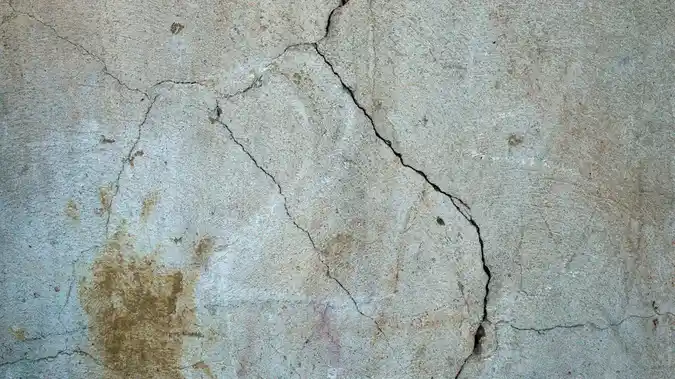
A wall may be failing soon if the damage is changing in days or weeks, not years. Picture yourself in the basement after a storm: the wall looks more curved than before, a crack has a jagged edge, and you can see damp soil or a wet line along the floor. That pattern is not ordinary wear.
The mechanism matters. Soil pressure pushes the wall inward. Water pressure adds force behind the wall. If a sump pump is not keeping up, the pressure can increase during wet weather and show up as fresh cracking or new seepage. That is why water problems and wall movement often travel together. For moisture and drainage basics, see the EPA moisture page and the NAHB guidance on foundation cracks.
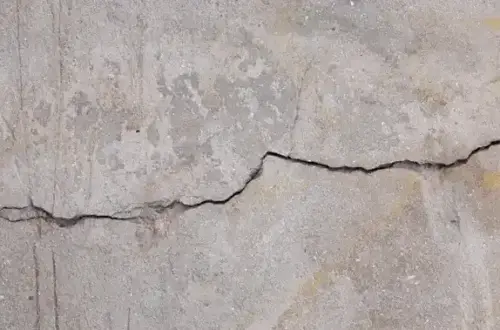
- Fresh crack edges: usually mean the wall is still moving.
- Horizontal cracking: can signal bending from soil pressure.
- Stair-step cracking in block walls: often shows movement through mortar joints.
- New gaps at framing: can mean the structure above is being affected.
If the wall is also pressing on a support post or shifting under a floor joist, the issue is no longer just cosmetic. That is structural risk, and structural risk is the reason this topic gets treated seriously. A crack alone is not the whole story; the question is whether the load path is changing. If you are unsure, consult a professional before treating it as routine damage.
What should you check right away?
You should check the wall, the water, and the framing together, not the wall by itself. Picture this: the basement is dry right now, but the wall has a new curve and the door upstairs sticks after rain. That pattern can point to active movement even before a major leak starts.
Do a quick visual check from several angles in the room. Use a flashlight and look for daylight at cracks, fresh powdery masonry dust, damp stains, rust on metal parts, and any separation around the top of the wall. Then check nearby framing for movement.
Look at these spots first:
- the top of the wall where it meets the floor framing
- the area around the basement beam
- any floor joist above the bowed section
- the base of any support post
- cracks near corners and around windows
- the floor line for water, mineral deposits, or new gaps
If you have a sump pump, check whether it is running more than usual, failing to discharge, or leaving standing water behind. A sump pump that is overwhelmed, unplugged, or silent during heavy water flow can let pressure build around the wall. The wall may be the first place that pressure shows up.
Quick check list
- Look for new or wider cracks than were present last month.
- Check for wet spots after rain or snowmelt.
- See whether the wall is changing shape near the top or bottom.
- Note any sticking doors, sloping floors, or new squeaks above.
- Inspect the sump pump and nearby drainage paths.
If any of those checks point to change, do not wait for “one more storm” to decide. New movement means new stress.
When should you stop waiting and treat it as urgent?
You should stop waiting when the wall is moving, leaking, or affecting the framing above it. Picture yourself hearing a pop in the basement and then finding a new crack or a longer one the next morning. That is the kind of change that moves a wall from watchful concern into urgent territory.
Use this rule: new movement plus structural effect equals urgent escalation. That does not mean panic; it means stop casual monitoring and get qualified eyes on the problem.
New crack growth: It usually means active movement — document it and contact a structural or foundation professional soon.
Wall is visibly curving more: The wall may still be loading up — avoid adding weight near it and seek prompt help.
Water is entering with storms: Moisture and pressure are rising together — address drainage and get the wall assessed.
Framing above is shifting: The load path may be changing — consult a professional and treat it as a structural concern, not a cosmetic one.
Sump pump is failing or overwhelmed: Water pressure can keep building — do not assume the wall will hold through another storm.
The wall is also urgent if part of it looks like it could shed material, separate at the top, or lose contact with the floor structure. A bowing wall is not just a basement issue when the floor joist or support post above it starts reacting. That is when the whole house begins to feel the problem.
How do temporary safety steps fit in?
Temporary steps can reduce immediate risk, but they do not fix the wall. Picture this: the basement is dry enough to move around in, but the wall is clearly unstable after a wet week. A practical short-term move is to reduce pressure and keep people away from the area, while you arrange professional assessment.
The goal is to avoid making the wall work harder. Do not store heavy boxes, lumber, water jugs, or appliances near the bowed section. Keep the area clear so a professional can inspect it, and so the wall is not carrying extra load. If there is water, try to keep drainage paths open around the sump pump and floor drain.
- Move storage away from the wall.
- Keep children and pets out of the area.
- Photograph the wall, cracks, and any water marks.
- Note when the change happened and what the weather was like.
- Keep the sump pump accessible for inspection.
If there is clear movement, do not rely on makeshift braces, scraps of wood, or improvised jacks. Temporary stabilization should be handled with a proper plan because the wrong support point can shift load into the wrong part of the structure. That is especially true when the wall is tied into a basement beam or support post.
What people get wrong when they wait too long
People usually get into trouble by treating a moving wall like a stain on drywall. Picture this: the basement stays in use, the crack gets ignored for a season, and the first hard rain turns a minor curve into a much bigger problem. Waiting is the most expensive mistake because soil and water keep working while nobody is looking.
Common mistakes and what they cost:
- Assuming old cracks are harmless: a crack can reopen if the wall is still moving.
- Ignoring water because the basement “dries out”: repeated wetting keeps pressure on the wall.
- Stacking storage against the wall: extra load can hide warning signs and add stress.
- Watching only the wall, not the framing: the basement beam and floor joist can reveal movement sooner.
- Delaying inspection after a sudden change: active movement can worsen fast after a storm or thaw.
The correct alternative is simple: track change, not just appearance. If the wall looks the same for months, that is one thing. If it changes after weather, if cracks widen, or if framing shifts, the wall is telling you it is not stable.
A generic article often stops at “look for cracks.” That misses the real issue. The emergency question is not whether a crack exists. It is whether the wall is still moving, taking in water, or changing the structure above it. If those signs are present, consult a professional rather than waiting for a clearer warning.
When the standard warning signs are not enough
Standard warning signs need extra caution when the home has heavy clay soil, repeated wet-dry cycles, or a sump pump that already works hard during storms. Picture a basement that stays damp every spring: the wall can look “normal enough” while pressure keeps building behind it.
These edge cases need a lower threshold for concern:
- After major rain or snowmelt: pressure can jump quickly, so fresh changes matter more.
- Near windows or corners: those spots can crack sooner than the rest of the wall.
- Around old patch work: repaired areas can hide new movement underneath.
- Where framing already looks stressed: a small change in the wall may affect the structure above it.
In those situations, a slow-looking problem can still be serious. The wall may be giving you early warning before a larger failure. If the same area keeps showing new cracks or seepage after each wet spell, that pattern deserves attention even if the wall has not visibly shifted overnight. When in doubt, consult a professional instead of assuming the wall is stable.
Can I keep using the basement while I wait?
You can often keep the basement open for short-term access, but not if the wall is actively changing or shedding material. Picture this: you need the laundry area, but the wall has a fresh crack and wet concrete dust on the floor. That is not a normal-use situation.
If you do use the space briefly, keep clear of the wall, avoid stacking anything there, and watch for new movement after the next rain. If the room smells strongly of dampness, if the sump pump is struggling, or if the wall is pressing on a support post, limit use until the condition is evaluated.
The safest habit is to treat the basement as a monitored area, not a storage zone, until the wall is confirmed stable. That is especially true when the issue involves a basement beam, floor joist, or any sign of structural shift.
Can I stay in the house with a bowing wall?
Often, yes for the short term, but only if the wall is not showing fast change, heavy water intrusion, or obvious structural movement. If the bow is worsening, if cracks are new, or if framing is shifting, the situation needs prompt professional attention. A qualified local expert should assess the specific wall and load conditions.
What signs mean a wall may fail soon?
A wall may be close to failure if cracks are growing, the curve is deepening, water is entering more often, or the floor framing above is reacting. Sudden change matters more than old damage. If you see fresh cracking after rain or a new gap near the top of the wall, treat that as urgent and consult a professional.
Should I call a contractor immediately?
Yes, if the wall is moving, leaking heavily, or affecting the basement beam, floor joist, or support post. A general contractor may not be the right first call for structural judgment, so the key is a qualified foundation or structural professional. Fast change, not just visible bowing, is what makes the timing urgent.
Drafted with AI; not yet reviewed by a person.


2 Comments on “When a Bowing Basement Wall Becomes an Emergency”