



Last updated: November 16, 2026
A basement drainage system reduces wall pressure by keeping water out of the soil beside the foundation and moving it away before it builds up. The most useful fixes are drain tile, a sump pump, longer gutter downspouts, better grading, and a window well cover, because each one lowers the amount of water pressing against the wall.
Key takeaways
- Water pressure on basement walls rises when soil stays wet for long stretches.
- The best drainage fix depends on where the water is coming from: roof runoff, surface runoff, or water already at the wall.
- Interior drain tile helps collect water at the footing and send it to a sump pump.
- Exterior drainage helps keep water away from the wall in the first place, but it usually costs more work.
- Small fixes like downspout routing and grading can solve some problems on their own, or reduce the load on a larger drainage system.
What does a basement drainage system do?
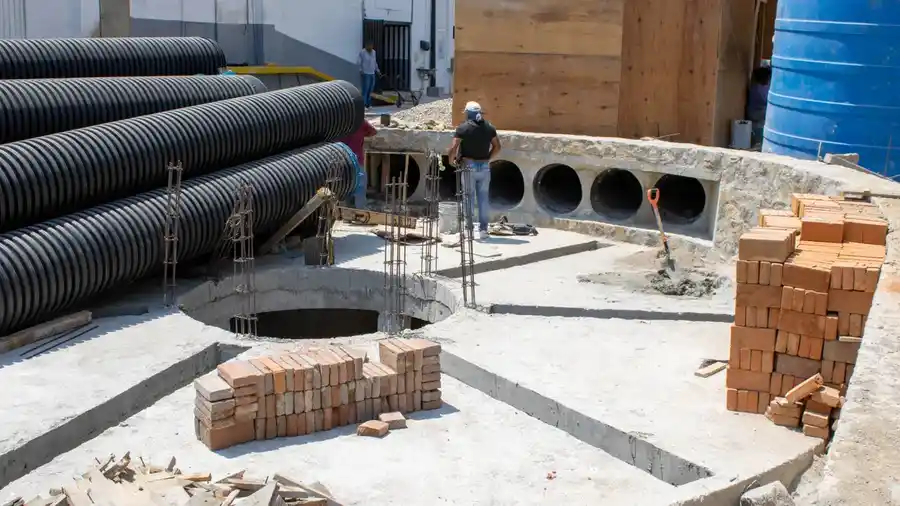
A basement drainage system moves water away from the foundation so the soil beside the wall does not stay saturated. That matters because wet soil presses harder on the wall than dry soil, and the pressure can rise after repeated rain or snowmelt.
A good system usually has more than one part. Roof water should leave the house through gutter downspouts, the ground around the home should slope away, and any water that still reaches the footing should have a clear path to a sump pump or exterior drain. That combination is what makes the pressure drop, not one single fix.
This is why a drainage article belongs next to a wall-pressure article. The wall problem and the water problem are linked. For the larger prevention picture, this guide fits the hub on [how to prevent basement walls from bowing] without repeating that article’s repair advice.
One useful rule is simple: stop the water before it reaches the wall, then collect what gets through. A system that only handles the last part is still useful, but it does less to reduce long-term pressure on the wall.
Which drainage fixes reduce wall pressure most?
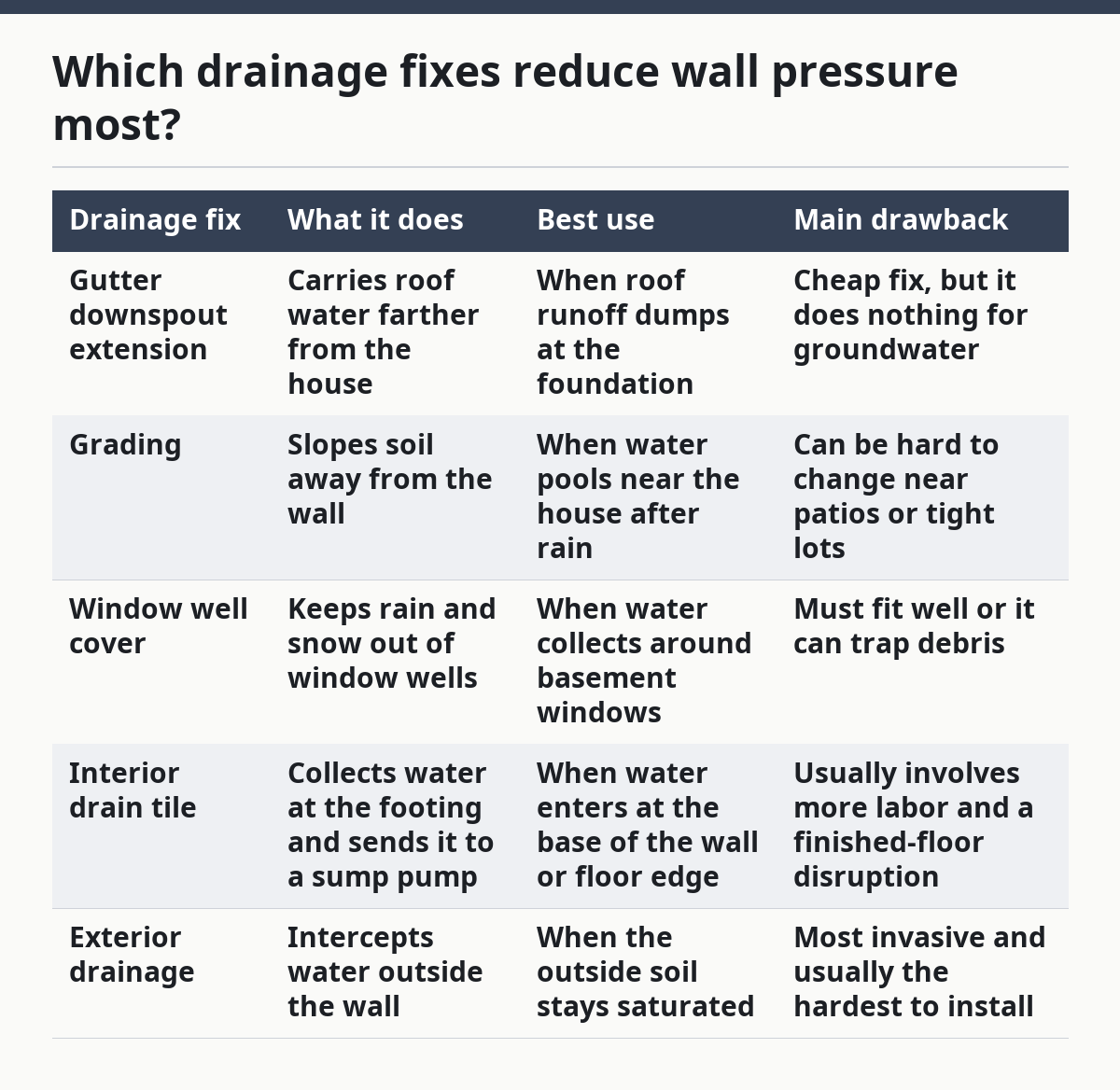
The right fix depends on where the water is entering the site and how serious the wet soil is. A quick comparison makes the trade-offs easier to see.
| Drainage fix | What it does | Best use | Main drawback |
|---|---|---|---|
| Gutter downspout extension | Carries roof water farther from the house | When roof runoff dumps at the foundation | Cheap fix, but it does nothing for groundwater |
| Grading | Slopes soil away from the wall | When water pools near the house after rain | Can be hard to change near patios or tight lots |
| Window well cover | Keeps rain and snow out of window wells | When water collects around basement windows | Must fit well or it can trap debris |
| Interior drain tile | Collects water at the footing and sends it to a sump pump | When water enters at the base of the wall or floor edge | Usually involves more labor and a finished-floor disruption |
| Exterior drainage | Intercepts water outside the wall | When the outside soil stays saturated | Most invasive and usually the hardest to install |
For many homes, the first move is not a trench or a pump. It is a downspout extension and grading correction. A lot of wall pressure comes from water that should have been kept away from the house in the first place.
Interior drain tile is the better choice when the problem is already inside the basement edge. Exterior drainage is the stronger answer when the goal is to keep the wall side of the foundation as dry as possible. That said, exterior work is not always practical around porches, driveways, or narrow side yards.
How does interior drain tile help?
Interior drain tile helps by giving water a path to the sump pump before it builds pressure against the wall. It is usually placed along the inside edge of the footing, where water tends to collect, and it feeds that water to a basin for removal.
The logic is direct: water under the floor edge loses the chance to sit there and push sideways on the wall. That makes interior drain tile one of the most common basement wall drainage solutions for homes that already show seepage at the cove joint or floor edge.
Here is the basic sequence:
- Open a trench along the inside perimeter where water tends to enter, usually beside the footing.
- Place the drain tile so it can collect water along that edge instead of letting it pool there.
- Route the tile toward a sump pit so gravity can move water to the pump.
- Set the sump pump to discharge water away from the foundation through a safe outlet line.
- Restore the floor edge so water still has a path to the drain instead of the wall.
Interior drain tile is useful when the basement needs a controlled exit path for water, not just a surface fix. It is less useful if roof runoff is still pouring next to the foundation, because the pump can end up handling avoidable water all season.
The trade-off is clear. Interior drain tile does not stop water from reaching the outside of the wall; it manages the water after it arrives. That is still valuable, but it is not the same thing as drying the soil around the home.
When is exterior drainage the better choice?
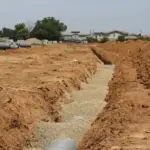
Exterior drainage is the better choice when the soil outside the wall stays wet for long periods and you want to reduce pressure before water reaches the foundation. It works by intercepting water outside the wall and directing it away, which can lower the load on the wall itself.
This approach makes sense when the problem is persistent surface runoff or a yard that sends water toward the house. It also pairs well with better grading and longer downspouts, because those changes reduce how much water the exterior drain has to handle.
A well-kept exterior drainage setup depends on three things. First, water needs a clear route away from the wall. Second, the discharge point needs to stay open. Third, the soil above the system should not trap water by settling back toward the house after a season or two.
Exterior drainage is not the right first move for every home. It can be disruptive, and it is often the hardest option to fit around existing hardscape. If the wettest water is coming from the roof, changing the downspouts may solve more of the problem for far less work.
For a reader who wants the shortest path to less wall pressure, exterior drainage is powerful but not always the first step. It is strongest when combined with the simpler controls that keep water away from the foundation face.
How should downspouts and grading be set up?
Downspouts and grading should send water away from the foundation before it has a chance to soak the soil beside the wall. That is the cheapest and often the fastest way to reduce the amount of water pressing on a basement wall.
Roof runoff is a common source of trouble because gutters catch a large volume of water during a storm. If the gutter downspout ends too close to the foundation, that water ends up right where the wall does not want it. The fix is to route it farther away so the discharge does not hit the same strip of soil over and over.
Grading works the same way, but with soil shape instead of pipe length. The ground should slope away from the house so surface runoff keeps moving away instead of settling along the foundation line. That matters after heavy rain, snowmelt, or any long wet stretch.
The simplest setup is often the best one:
- Extend gutter downspouts far enough that roof water does not dump beside the wall.
- Re-shape the soil so water does not run back toward the house.
- Keep low spots from forming next to the foundation.
- Add a window well cover where rain and debris collect around a basement window.
These small fixes do not replace drain tile when the problem is already severe. They do, however, reduce the amount of water that reaches the wall in the first place, which lowers the pressure the drainage system has to manage.
Where do sump pumps fit in?
A sump pump is the discharge point for water that has already been collected by the drainage system. It does not stop water from entering the soil, but it keeps that water from sitting under the slab or at the footing where it can add pressure.
That is why a sump pump is not an accessory in this setup. It is the last step in the path. If the drain tile collects water and the pump sends it away, the basement has a controlled exit instead of a place for water to linger.
The pump matters most when the house has interior drain tile or a low spot that tends to fill with water. It is also important when the site has a lot of runoff and the drain system needs a steady way to clear water during storms. Without that discharge path, the collected water has nowhere to go.
A pump is not the whole answer. If downspouts still dump at the foundation, the pump may run more than it should. If the grading slopes toward the house, the pump may keep fighting the same water again and again. The better the upstream drainage, the less work the pump has to do.
What common mistakes add wall pressure back?
The most common mistake is fixing only the inside while leaving the outside water source alone. That can put the sump pump under constant strain and leave the soil beside the wall too wet for too long.
Another mistake is using short downspouts or flexible extensions that end near the house. That sends roof runoff right back into the problem zone. A quick patch may look neat, but it can leave the foundation exposed to the same wet soil after the next storm.
A third mistake is letting the grade settle back toward the house after a repair. Soil moves, and a slope that once worked can flatten out in a season or two. When that happens, surface runoff starts collecting at the foundation line again.
A fourth mistake is ignoring window wells. A window well without a cover can catch rain, leaves, and snowmelt, then feed that water straight against the wall. That can make a small problem look much bigger.
The cleanest approach is to treat the yard, the roof, and the basement as one system. A basement drainage system works best when every part supports the others. If one part fails, the rest have to carry more load.
FAQ
Do drains help bowed walls?
Yes, drains help by reducing the water pressure that pushes on basement walls. They do not straighten a wall that is already bowed, but they can lower the wet-soil load that makes the problem worse. That is why drainage belongs in the prevention plan.
Is interior drainage enough?
Interior drainage can be enough for some homes, especially when the main issue is water entering at the floor edge or footing. It is not enough when roof runoff and surface runoff still pour water against the foundation every storm. In those cases, downspouts and grading need attention too.
What drainage fixes are most common?
The most common fixes are gutter downspout routing, grading changes, interior drain tile, a sump pump, and a window well cover. Those are the first tools many homes need because they address the main paths water takes to reach the basement wall. In many cases, two or three of them work better than one.
Drafted with AI; not yet reviewed by a person.



2 Comments on “Basement drainage solutions that reduce wall pressure”