


Last updated: November 15, 2026
Quick answer: if a basement wall reads noticeably off plumb on a 4-foot level, shows a curved inward face, or has a crack that is growing over 2 to 4 weeks, it may be bowing, leaning, or cracking in a way that deserves professional review. If the wall is moving, leaning, or cracking in a way that seems to change over time, speak with a qualified structural or foundation professional about your own situation before you assume it is only cosmetic. For background on common foundation and drainage warning signs, see the FEMA foundation guidance and the IRC code overview.
Key takeaways
- A bowing wall curves inward; a leaning wall tilts out of vertical; a cracking wall may show either one, or both.
- Horizontal cracks, inward deflection, and stair-step cracks on a concrete block wall often point to movement, not just surface wear.
- The biggest clue is change: a crack that grows, a gap that widens, or a wall that looks more out of line over a month matters more than a single photo.
- If the wall is visibly out of plumb, damp, or rapidly changing, stop treating it as a simple DIY check and consult a qualified professional; see FEMA and the International Code Council for general reference.
What counts as bowing, leaning, or cracking?
A bowing basement wall, a leaning wall, and a cracking wall are different conditions, and this article explains how to tell whether a basement wall is bowing, leaning, or cracking. A bowing basement wall curves inward, a leaning wall tilts as one flat plane, and a cracking wall shows a break in the material that may or may not move. Those are not the same problem, even though they can happen together in a foundation wall.
Bowing usually means the middle of the wall pushes inward more than the top or bottom, which creates a shallow arc. Leaning means the whole wall has shifted off vertical, which you can see with a level or a plumb line. Cracking is the visible split: on a concrete block wall it may run stair-step through mortar joints, while on a poured concrete wall it may be more of a straight or diagonal line.
The difference matters because the shape tells you what kind of force has been at work. Soil pressure often pushes a basement wall inward; settlement can tilt a wall; shrinkage, temperature change, or normal aging can produce hairline cracks without major movement. A crack by itself is not proof of bowing, but a crack plus a curve or slope deserves closer attention.
How do I check a basement wall step by step?
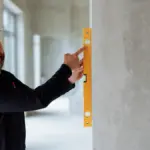
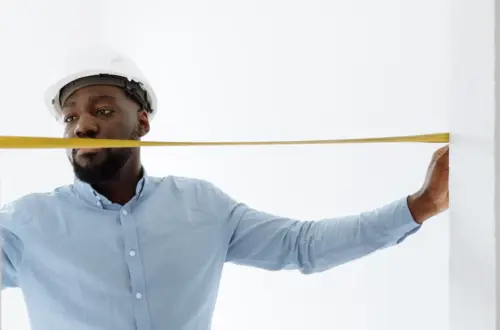
You can check a basement wall with a 4-foot level, a tape measure, a straightedge, a flashlight, and a phone camera. The goal is not to label the wall with certainty; it is to separate a surface crack from a wall that is actually moving.
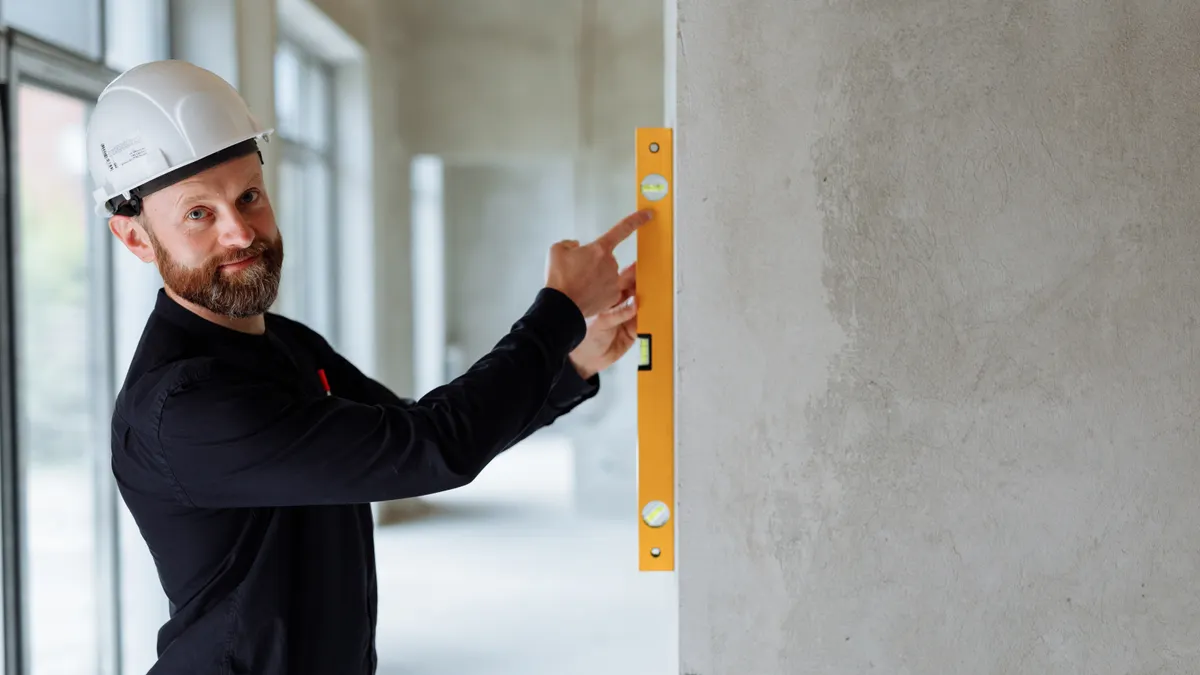
- Place a 4-foot level on the wall and hold it vertically against several spots, especially near the middle and ends. Verify whether the bubble stays centered and whether the tool touches the wall evenly. A gap that shows the wall is off plumb or a bubble that shifts in the same direction at every spot points to leaning.
- Lay a straightedge across the wall at chest height and again near the top and bottom. Verify whether the straightedge bridges a hollow or sits on a bulge. A visible space under the middle of the straightedge suggests inward deflection, which is a classic bowing shape.
- Measure any crack with a ruler or tape measure and note the widest point in inches. Verify whether the crack is straight, horizontal, diagonal, or stair-step. Horizontal cracks across a concrete block wall are more concerning than a thin vertical hairline crack, while stair-step cracks often follow mortar joints.
- Photograph the wall from the same distance with a fixed object in the frame, such as a tape measure or the end of the level. Verify that the photo shows the same area each time. If the wall looks more curved or the crack looks longer in a later photo, the condition may be changing.
- Check the wall at the top, middle, and bottom with the level and straightedge. Verify whether the bulge is strongest at one band or spread across the full height. A wall that bows most in the middle often looks different from a wall that is uniformly leaning.
- Inspect both sides of the wall if the other side is accessible, including the floor edge and any beam or joist area above. Verify whether there is matching displacement, moisture, or separation near the joint. Movement at the base or top can explain why the wall is no longer straight.
- Mark the crack ends with pencil and date it so you can compare it later. Verify whether the ends stay put or whether the crack length grows. Change over 2 to 4 weeks matters more than a single snapshot.
- Repeat the check from the same spot after a few weeks, using the same level and straightedge. Verify whether the wall profile is stable. A wall that looks identical on repeat checks is less worrying than one that shows a wider gap, a larger slope, or a longer crack.
A good result looks boring: the level reads the same in several places, the straightedge lies flat, and the crack stays the same length and width. A problem looks messy: the wall curves inward, the level shows tilt in more than one spot, or the crack keeps changing. For related reading, see our basement wall repair overview and foundation inspection checklist.
Is the wall bowing or just leaning?
A wall is more likely bowing if it has a curved inward face, while a wall is more likely leaning if the whole plane is tilted but stays relatively flat. That difference is easiest to see with a straightedge and a 4-foot level.
A bowed wall often shows a hollow at the top or bottom when you hold a straightedge across it. A leaning wall may still feel flat, but the level will show it is off vertical. In a concrete block wall, the pattern can be mixed: the wall may bow at mid-height and also lean a little, which means the wall has both flexed and shifted.
One simple comparison helps, but a qualified professional should confirm the result if the wall is damp, rapidly changing, or visibly out of plumb:
| Feature | More like bowing | More like leaning |
|---|---|---|
| Wall shape | Curved inward | Mostly flat, just tilted |
| Best tool | Straightedge | 4-foot level |
| Common clue | Middle of wall pushes in | Entire wall off plumb |
| Crack pattern | Horizontal crack near the middle | Cracks may be smaller or more general |
| What to watch | More inward deflection over time | More tilt over time |
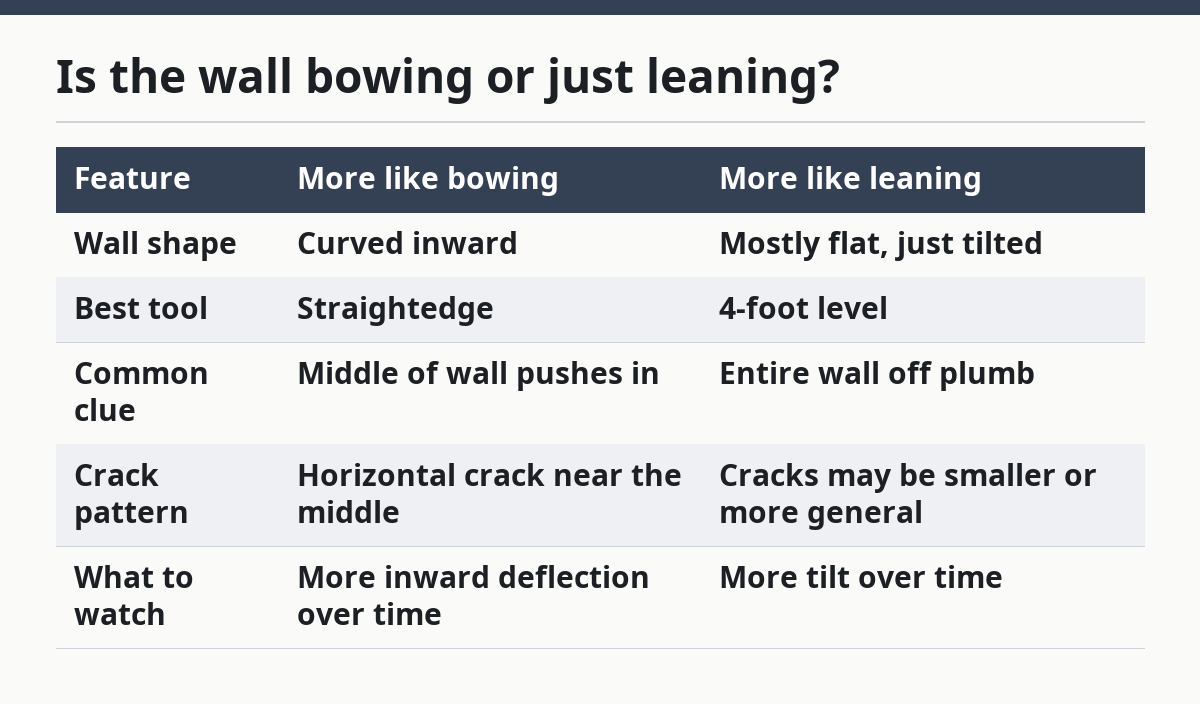
If the wall is both curved and out of plumb, treat it as more serious than either sign alone. A wall can be leaning for years without obvious change, but a wall that is also bowing is showing active stress in the foundation wall. For additional context, see FEMA and the International Code Council.
What cracks matter most?
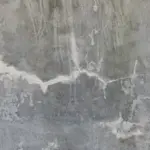
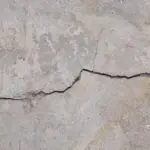
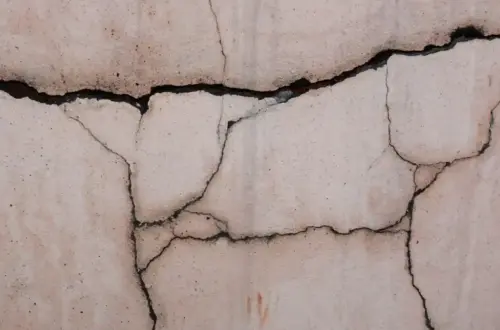
Horizontal cracks, stair-step cracks, and widening cracks matter most because they often track movement in the wall rather than a simple surface break. A single hairline crack is common in many basements, but the pattern tells the story.
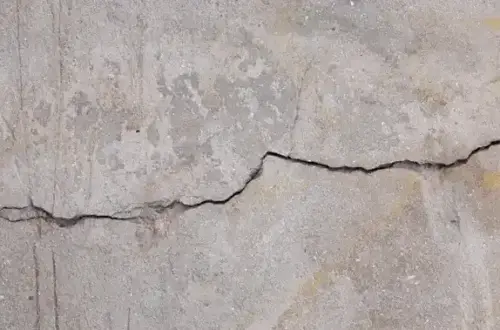
On a poured concrete wall, a horizontal crack can point to pressure pushing the wall inward. On a concrete block wall, a stair-step crack often follows the mortar joints and can appear where the wall has been stressed or shifted. Vertical cracks can be less troubling, but they still deserve a look if they widen or open at one end.
Look at the crack edges too. Fresh, sharp edges can mean the split is active; dusty, unchanged edges can mean it has been there for a while. If you can fit the edge of a coin or the tip of a tape measure into a crack, note that measurement and watch whether it changes when you recheck it later. The number matters less than the trend.
When should I stop checking and get help?
You should stop treating this as a simple home inspection when the wall shows clear movement, because the next step depends on what is driving the stress. That is the point where a qualified professional is the safer source of judgment for your own home.
Horizontal crack across a poured concrete wall: This can point to inward pressure on the wall — Do not rely on a visual check alone; get qualified help to assess the wall’s condition.
Stair-step crack that follows mortar joints in a concrete block wall: This can signal shifting in the wall assembly — Stop comparing photos and get a structural opinion about the foundation wall.
Wall that is visibly off plumb with a 4-foot level: This means the wall is no longer just cracked, it is out of alignment — Treat it as more than cosmetic and consult a qualified professional.
Crack or curve that changes over 2 to 4 weeks: Ongoing change suggests active movement — Do not wait for the pattern to settle on its own; get the wall evaluated.
Moisture, seepage, or a damp line beside the crack: Water can worsen movement and hide the true shape of the wall — Address the wall as a structural and moisture issue, not a paint problem.
Large gap between the wall and a straightedge: A visible bow means the wall is deforming, not just aging — Stop using a surface patch as the main response and get help.
The wrong move is to assume every crack is harmless. The other wrong move is to panic over a tiny mark that does not change. The useful line is the one between those two: shape, slope, and change over time.
What mistakes do people make?
People usually make the same small mistakes, and each one hides the real condition of the wall. A 12-inch crack photo can look dramatic while a 6-foot wall is still stable; the reverse can also be true.
First, they judge from one photo. That misses change, which is the part that matters most. The correct alternative is to take repeat photos from the same spot and include a level or ruler.
Second, they focus on the crack and ignore the wall shape. A hairline crack alone is not the same as a wall that curves inward 1 spot at a time. The correct alternative is to check for bowing with a straightedge, not just with your eyes.
Third, they use a short level or a crooked reference point. A 12-inch level can hide a gentle tilt that a 4-foot level would show clearly. The correct alternative is a longer level or a plumb line against a known straight edge.
Fourth, they patch the crack before checking it. Paint, filler, or mortar can make a moving crack harder to read later. The correct alternative is to mark and monitor first, then decide what comes next.
Fifth, they assume a poured concrete wall and a concrete block wall fail the same way. They do not. The correct alternative is to look at the wall type and the crack pattern together, because horizontal cracks and stair-step cracks do not mean the same thing.
What if the wall looks odd but the crack is small?
A wall can still be bowing without a dramatic crack, especially if the curve is gradual. Small cracks can hide a bigger shape problem, and a wall that looks only slightly out of line today may show more movement later.
Because of that, a simple monitoring plan helps. Mark the crack ends, take a photo with a ruler, and repeat the check after 2 to 4 weeks from the same place. If the wall still reads the same on a 4-foot level and the crack has not changed, the condition may be stable. If the wall is more curved, more tilted, or the crack is longer, the pattern is pointing toward movement.
A low-risk cosmetic crack and a structural wall issue can look similar at first glance. That is why shape matters as much as the crack itself. A basement wall that is flat, plumb, and unchanged over time is one thing; a wall with inward deflection or a growing horizontal crack is another.
How should I read poured concrete and block walls differently?
A poured concrete wall and a concrete block wall often fail in different visual patterns, so the wall type should guide what you look for. That does not mean one is always worse; it means the clues appear differently.
A poured concrete wall is often more likely to show a long horizontal crack or a smooth inward curve. A concrete block wall often shows stair-step cracking through mortar joints, gaps at joints, or a block that looks pushed out of line. The level and straightedge still matter for both, but the crack pattern tells you where to look first.
If the wall is block, inspect the mortar joints closely and look for one section that breaks the pattern. If the wall is poured, look for a broad bend or a crack that runs nearly straight across the face. In both cases, a wall that is changing over time is more important than a wall that simply has an old mark.
Frequently asked questions
How much bowing is too much?
A wall is too bowed to ignore when the curve is obvious enough to show up on a level, a straightedge, or repeated photos. The exact line between “watch it” and “get help” depends on the wall type, the crack pattern, and whether the shape is changing. A qualified structural or foundation professional is the right next step if the movement is active.
What does a bowing wall look like?
A bowing wall looks curved, with the middle pushed inward more than the ends. The most practical way to see it is with a straightedge held across the wall and a 4-foot level held vertically. A bowed wall may also show a horizontal crack, especially on a poured concrete wall or a concrete block wall under stress.
Can a basement wall be bowing without cracks?
Yes, a basement wall can bow before a crack becomes obvious. Early movement may show up first as a curve, a slight tilt, or a wall that no longer looks flat under a straightedge. That is why repeated checks matter, especially over 2 to 4 weeks, even when the surface still looks mostly intact.
Drafted with AI; not yet reviewed by a person.


One comment on “How to tell whether a basement wall is bowing, leaning, or cracking”