
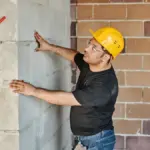

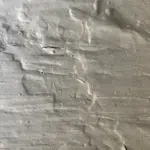

Noticing that your basement wall is starting to curve or lean inward can be concerning. A basement wall is designed to support the structure of your home and resist pressure from the surrounding soil. When it begins moving inward, something may be putting more pressure on it than it can safely handle.
Bowing basement walls are not always caused by the same problem. Soil conditions, water pressure, poor drainage, and construction issues can all contribute to foundation wall movement.
Understanding the possible causes can help homeowners recognize the problem and determine when a professional inspection is necessary.
What Does a Bowing Basement Wall Look Like?
A bowing basement wall is a foundation wall that has moved inward, usually toward the basement’s interior.
The movement may happen gradually, making it difficult to notice at first.
Some common warning signs include:
- A visible curve near the middle of the wall.
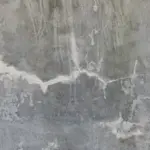
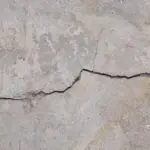
- Horizontal cracks running across concrete or mortar joints.
- Stair-step cracks in concrete block walls.
- Cracks that become wider over time.
- Gaps between the basement wall and floor joists.
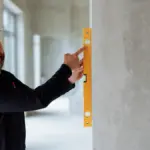
- Basement walls that appear uneven when viewed from the side.
A wall does not need to move dramatically before it deserves attention. Even relatively small changes should be documented and evaluated when they are new or progressing.
7 Common Causes of Bowing Basement Walls
1. Excessive Soil Pressure
Soil surrounding your basement foundation constantly applies pressure to the exterior walls.
When the surrounding soil becomes heavier, expands, or experiences changes in moisture content, the pressure against the wall can increase.
Over time, excessive lateral pressure may cause a basement wall to crack, bend, or move inward.
This is one of the major reasons homeowners experience bowing basement walls.
2. Poor Exterior Drainage
Improper drainage can allow water to accumulate around your home’s foundation.
For example, downspouts that discharge water too close to the house can contribute to soil saturation.
When water cannot drain away properly, hydrostatic pressure may build up against basement walls.
A drainage problem may not immediately cause structural movement, but persistent water accumulation can increase the stress placed on foundation walls.
3. Expansive Clay Soil
Some types of soil contain clay that expands when it absorbs moisture and contracts when it dries.
This repeated expansion and contraction can create changing pressure around a home’s foundation.
Homes built on expansive clay soil may experience additional foundation stress during periods of significant moisture changes.
The exact effect depends on the soil composition, foundation design, drainage conditions, and local climate.
4. Poor Backfilling During Construction
When a home is constructed, the soil removed during excavation is often placed back around the foundation.
This process is known as backfilling.
If the backfill contains unsuitable materials or is not properly managed, it may contribute to drainage problems and uneven pressure against basement walls.
Construction practices and soil conditions can influence how well a foundation performs over time.
5. Heavy Rainfall and Water Accumulation
Heavy rainfall can saturate the soil surrounding your home.
When the ground becomes saturated, water pressure against underground walls may increase.
This can be particularly problematic when the property has:
- Poor surface drainage.
- Clogged gutters.
- Short downspouts.
- Improper yard grading.
- An ineffective drainage system.
Homeowners may notice basement water problems and foundation wall movement after periods of heavy rain.
6. Inadequate Foundation Wall Reinforcement
Basement walls must be designed to resist the pressure applied by surrounding soil.
If a wall was not designed, constructed, or reinforced appropriately for the conditions around it, it may be more vulnerable to movement.
The wall’s thickness, reinforcement, construction materials, height, and surrounding soil conditions all influence its ability to resist pressure.
7. Aging Foundation Materials
Older basement foundations may develop cracks, deterioration, and other structural problems over time.
Mortar joints in concrete block walls can deteriorate, while concrete walls may develop cracks from different forms of stress.
Age alone does not mean a basement wall is unsafe. However, older foundations deserve attention when visible movement or deterioration appears.
Can a Bowing Basement Wall Get Worse?
Yes. A bowing basement wall can continue moving if the underlying pressure is not addressed.
The rate of movement depends on several factors, including soil conditions, water accumulation, wall construction, and the extent of existing damage.
A wall that has moved slightly may remain relatively stable under certain conditions, while another wall may continue deteriorating.
That is why measuring and documenting changes is important.
Take photographs of visible cracks and note their locations and approximate widths. Avoid drilling into, excavating beside, or attempting to straighten a structurally damaged wall without professional guidance.
How Can You Prevent Basement Wall Bowing?
Although not every foundation problem can be prevented, homeowners can take steps to reduce unnecessary pressure around their foundations.
Consider these maintenance practices:
- Keep gutters clean and functioning properly.
- Extend downspouts so water drains away from the foundation.
- Maintain appropriate grading around the house.
- Address recurring basement water intrusion.
- Avoid allowing water to collect beside foundation walls.
- Inspect basement walls periodically for new cracks or movement.
- Arrange a professional assessment when signs of structural movement appear.
These measures can help manage moisture around your foundation, but they do not replace structural repairs when a wall is already moving.
When Should You Call a Foundation Professional?
You should arrange an inspection when you notice:
- New or expanding horizontal cracks.
- A visible inward curve in a basement wall.
- Concrete blocks shifting out of alignment.
- Increasing gaps near floor joists.
- Water intrusion combined with wall movement.
If a wall moves suddenly, develops major displacement, or appears unstable, keep people away from the affected area and seek an urgent structural assessment.
A qualified foundation professional can evaluate the wall, identify contributing conditions, and explain suitable stabilization options.
Frequently Asked Questions
Is a slightly bowing basement wall dangerous?
A slightly bowing wall does not automatically mean the house is in immediate danger. However, new or progressive movement can indicate structural stress and should be professionally evaluated.
Can water cause basement walls to bow?
Yes. Water accumulation can increase hydrostatic pressure against basement walls. Poor drainage and saturated soil can contribute to lateral pressure that causes wall movement.
Do all bowing basement walls need replacement?
No. Depending on the wall’s condition, repair options may include carbon fiber reinforcement, steel I-beams, or wall anchors. Severely damaged walls may require more extensive work.
Can I repair a bowing basement wall myself?
Minor maintenance issues such as cleaning gutters or improving downspout discharge may be manageable for homeowners. Structural wall stabilization, however, should be evaluated and performed by qualified professionals.
Final Thoughts
A bowing basement wall is a problem that homeowners should not ignore. Soil pressure, water accumulation, expansive clay, construction issues, and aging materials can all contribute to foundation wall movement.
Identifying the cause is the first step toward choosing an appropriate repair method.
If you notice cracks, inward movement, or other signs of foundation stress, arrange a professional inspection before the problem progresses.
Disclaimer: This article is for general educational purposes only. It does not replace an inspection by a qualified structural engineer or foundation repair professional. Repair requirements depend on the specific property and structural conditions.



One comment on “Why Is My Basement Wall Bowing Inward? 7 Common Causes”