
Last updated: November 14, 2026
Quick answer: reinforce first in 1 of 2 common bowing-wall cases. A bowing basement wall usually needs reinforcement first, then waterproofing if water is still getting in.
Structural support comes before moisture control when the wall is moving.
The sections below settle when waterproofing belongs first, when it does not, and how to avoid a repair order that traps water behind a wall.
I’ve spent years reading foundation repair specs and basement moisture guidance, so I know where this choice goes wrong.
Key Takeaways
- A wall that is already bowing is a structural problem, not just a dampness problem.
- Waterproofing can reduce water entry, but it does not stop soil pressure from pushing a wall inward.
- Wall support, carbon fiber straps, or wall anchors address movement; membrane, sump pump, and drain tile address water.
- If you waterproof first and leave active pressure in place, you can hide the symptom and miss the cause.
- The right order is usually support first, water control second, and finishes last.
Should you waterproof or reinforce a bowing basement wall first?
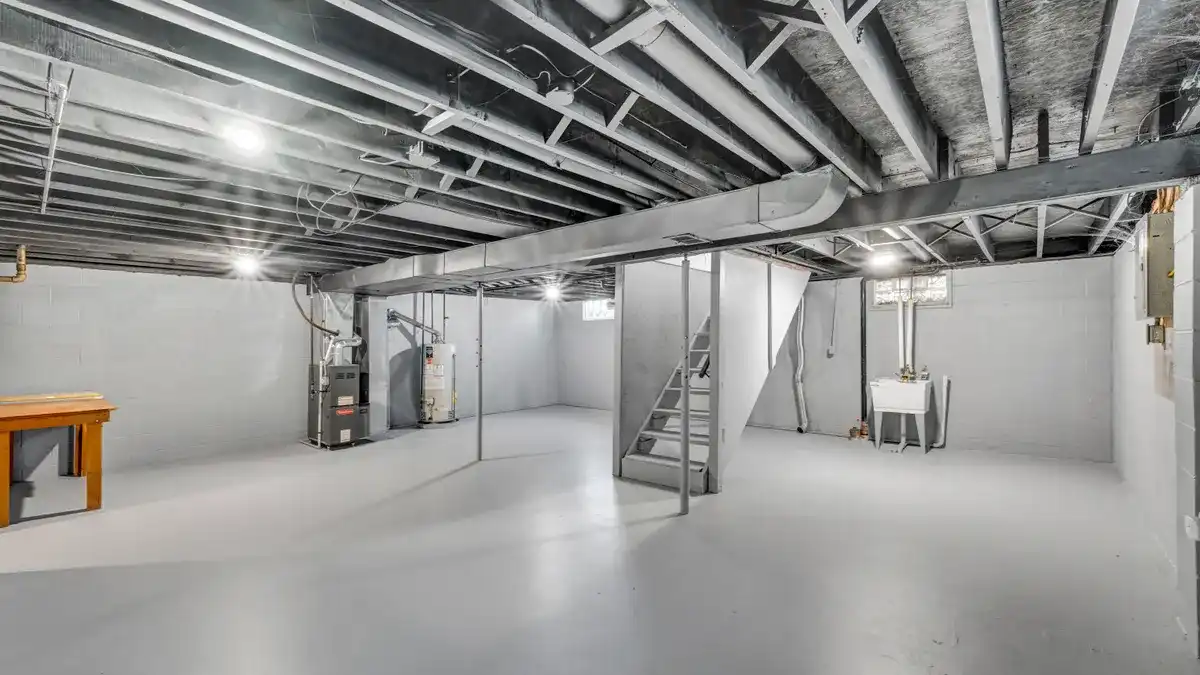
Reinforce first is the safer default for a bowing basement wall because soil pressure can keep forcing the wall inward even after moisture is reduced. That order matters most when the wall is visibly curved, cracked, or displaced and not just stained. The American Society of Home Inspectors and the U.S. Department of Housing and Urban Development both treat foundation movement and water intrusion as different problems that need different fixes; if you are unsure, consult a structural engineer or qualified foundation contractor and review HUD’s home repair guidance and ASHI’s foundation inspection resources.
Here’s the catch: if the wall is actively leaking, the water still has to be controlled during or after stabilization.
That means structural stabilization first, then drainage and waterproofing, not the other way around.
- Stabilize the wall so it stops moving.
- Control water so the repair area stays dry.
- Finish the wall only after the system is working.
If you flip that order, you can end up paying for fresh paint, new framing, or a membrane that gets disturbed when anchors or straps go in. That is a bad trade.
Why wall support beats waterproofing on a bowing wall
Wall support wins here because it addresses the thing that makes a bowing wall dangerous: lateral pressure. Waterproofing membrane, sump pump work, and drain tile can dry the basement, but they do not pull a bent wall back into position or resist future push from wet soil.
Picture this: you are looking at a basement wall with a horizontal crack, a slight inward curve, and a damp line after heavy rain. Water is part of the problem, but the curve tells you the wall has already lost shape. A membrane may keep the surface drier. It will not stop the push.
The standard structural options are different:
- Wall anchors transfer load to stable soil outside.
- Carbon fiber straps resist movement on walls that are still sound enough to brace in place.
- Steel beams or other support systems may be used when the wall needs stronger restraint.
For background on wall behavior and repair principles, the International Code Council and FEMA publish guidance on foundation stability and moisture risk. If the wall is bowing, consult a professional before treating it as a waterproofing-only job. The point is simple: drying a wall is not the same as bracing it. Not even close.
Strengths of reinforcing first
- It targets the cause of bowing, not just the visible symptom.
- It can prevent further inward movement while the rest of the system is planned.
- It helps protect interior finishes from future cracking and shifting.
Weaknesses of reinforcing first
- It may still leave you with seepage if the basement has no drainage plan.
- Some support systems need access to the wall face, which can disrupt finished space.
- If the wall is already badly displaced, reinforcement alone may not be enough.
Who this is for
This is for a homeowner who sees active movement, cracked block, or inward lean and wants to protect the structure before cosmetic work. It is not for someone whose only issue is a damp floor from condensation with no wall displacement.
When waterproofing comes first
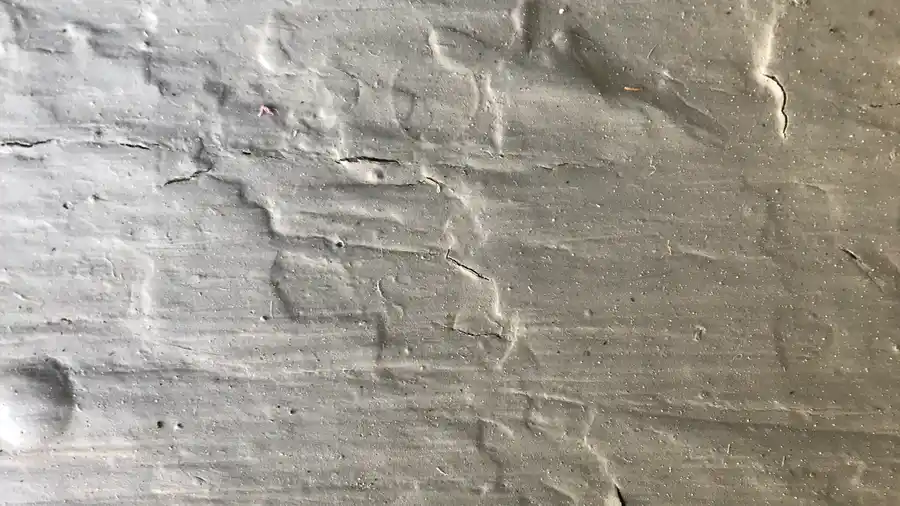
Waterproofing comes first only when the wall is stable and the main problem is moisture. If the wall is straight, not bulging, and not showing signs of structural movement, then a waterproofing membrane, drain tile, or a sump pump can be the first repair. In that case, the goal is to lower water pressure and keep the basement dry before finishes go back up.
Picture this: you have a straight poured wall, no inward curve, and water shows up after storms. That is a moisture problem with a strong drainage angle, not a bowing wall problem. Here, waterproofing can protect the space and may prevent future deterioration.
The reason this order changes is simple: if there is no structural movement to stop, water control can be the main job. But once a wall starts bowing, waterproofing alone is too weak to be the lead repair. On the flip side, if you already know the wall is sound and the basement is simply wet, reinforcement is unnecessary overhead.
Strengths of waterproofing first
- It reduces humidity, seepage, and standing water.
- It can protect flooring, insulation, and storage areas.
- It often pairs well with a sump pump and drain tile system.
Weaknesses of waterproofing first
- It does not correct inward wall movement.
- It can hide signs of worsening structural damage behind finishes.
- It may need to be opened again if support work becomes necessary later.
Who this is for
This is for a homeowner with water intrusion but no structural bowing. It is not the right first step for a wall that is already leaning, cracking, or showing displacement along a mortar joint.
The honest side-by-side
Reinforcement is the winner for a true bowing wall; waterproofing is the winner for a stable but wet basement. The table below shows how the decision changes by condition, not by marketing language.
| Criteria | Reinforce First | Waterproof First | Winner for this condition |
|---|---|---|---|
| Wall is visibly bowing | Addresses the movement directly | Does not stop inward pressure | Reinforce first |
| Water is the only issue | May be unnecessary | Targets the main problem | Waterproof first |
| Risk of further structural change | Lower after support is installed | Still present if soil pressure remains | Reinforce first |
| Need to protect finishes | May disturb walls during install | Can dry the space before finishing | Depends on condition |
| Need to reduce seepage | Does not solve seepage by itself | Directly targets moisture entry | Waterproof first |
| Need for interior access | Often requires wall access | May work around finishes in some cases | Waterproof first |
| Best order with both problems | Support before sealing | Can be staged after bracing | Reinforce first |
| Long-term repair logic | Fixes the cause of movement | Fixes the water source, not the bend | Reinforce first |
The table is blunt for a reason. A bowing wall is not a waterproofing-only job. It is a structure-plus-water job, and the first move depends on which problem is active.
What happens if you waterproof a bowing wall first?
You can trap the wrong problem behind the right-looking finish. Waterproofing first may make the basement feel drier for a while, but it can also delay the real fix if the wall is still moving. That is especially risky when a membrane covers cracks, because the visible signs of change become harder to watch.
Picture this: you install a waterproofing membrane and a sump pump, then finish the wall with framing and drywall. Months later, the wall has moved more, but the new finish hides the warning signs. That is how minor bowing turns into a harder, costlier repair path.
A dry wall can still fail.
A wet wall can still be stable.
That is why a generic “water first” rule does not work here. If the wall is bowed, the sequence should respect the structure before the cosmetics. However, you do not have to choose one system forever. You can stage the work: stabilize now, control water next, and finish last.
What happens if you reinforce first and ignore water?
You may stop the wall but leave the basement wet. That is the main downside of putting all your money into support and doing nothing about drainage, a sump pump, or exterior runoff. If water keeps pressing against the foundation, you can still get dampness, staining, mold risk, or finish damage even after the wall is braced.
Picture this: the wall no longer moves, but the basement still takes on water during spring thaw. The structure is better, yet the room still cannot be treated as dry storage or a finished living area. That is why support and water control belong in the same plan, just not the same order.
The right sequence is not “support only.” It is “support first, then water management if the basement still needs it.”
That keeps the repair honest.
Concrete signs you still need waterproofing after support
- Water stains return after storms.
- The floor stays damp near the wall base.
- Humidity climbs even when the wall is stabilized.
- Existing finishes show moisture damage.
If those signs are present, a waterproofing membrane, drain tile, or sump pump may still be part of the plan. The wall just should not be left unsupported while you chase moisture alone.
When to reconsider this choice entirely
Stop and get a structural evaluation when the wall is badly displaced, cracked through, or showing signs of soil failure. In those cases, the repair may need more than a simple “support first” or “waterproof first” answer. A bowed wall with severe movement can require a different scope, and interior finishes should stay on hold until the structure is sorted out.
Picture this: the crack is widening, the wall is leaning enough to notice from across the room, or the block joints are failing in more than one place. That is not a cosmetic water issue. That is a structural condition that can worsen if you guess at the order.
If you want a broader roadmap for prevention and maintenance, the hub article on how to prevent basement walls from bowing belongs next. This page is about repair order; that one is about stopping the problem from starting. See also the related guides on foundation repair, basement waterproofing, and how to prevent basement walls from bowing.
The verdict
Choose reinforcement first if the wall is already bowing, cracking, or leaning inward. Choose waterproofing first if the wall is stable and the main issue is seepage or dampness. Neither if the wall is severely displaced, because that needs a structural assessment before you cover it or finish it.
That is the clean answer. A bowing wall is a structural problem with a moisture problem attached. Brace it now. Dry it later.
Which comes first, drainage or wall support?
Wall support comes first when the wall is bowing. Drainage helps lower water pressure, but it does not stop the wall from moving inward. If the wall is stable and only wet, drainage can come first. If the wall is already bent or cracked from pressure, structural support has to lead, then drainage can follow.
Can waterproofing fix bowing?
No, waterproofing does not fix a bowing wall. It can reduce seepage, lower dampness, and protect finishes, but it does not resist the lateral soil pressure that caused the wall to curve or lean. A bowing wall needs reinforcement such as wall anchors, carbon fiber straps, or another support system designed for movement.
Do I need both?
Many homes need both. A bowing wall usually needs reinforcement to stop movement and waterproofing to manage moisture, especially if the basement has recurring seepage, a sump pump need, or drainage issues. The key is sequence: support first when the wall is moving, then water control if the basement still gets wet.
Drafted with AI; not yet reviewed by a person.


3 Comments on “Should you waterproof or reinforce a bowing basement wall first?”