


Last updated: November 14, 2026
Key Takeaways
- Bowing starts when outside pressure builds and the wall can no longer resist it.
- Move roof runoff and surface water away before it soaks soil near the wall.
- Grading and drainage usually give the most protection with the least disruption.
- Visible movement, widening cracks, and stair-step cracking point to repair, not routine upkeep.
Bowing basement walls are a warning sign, not a cosmetic flaw, and the fix starts with stopping water and soil pressure before they win. Quick answer: the most practical first step is twice-a-year inspection plus 6- to 10-foot downspout extensions. The complete guide in Bowing Basement Wall Prevention and Maintenance — The Complete Guide starts with dry soil, working drainage, and early inspection — not paint or hope. The steps below show what to watch, what to maintain, and when a wall needs real structural repair.
What makes a basement wall bow in the first place?
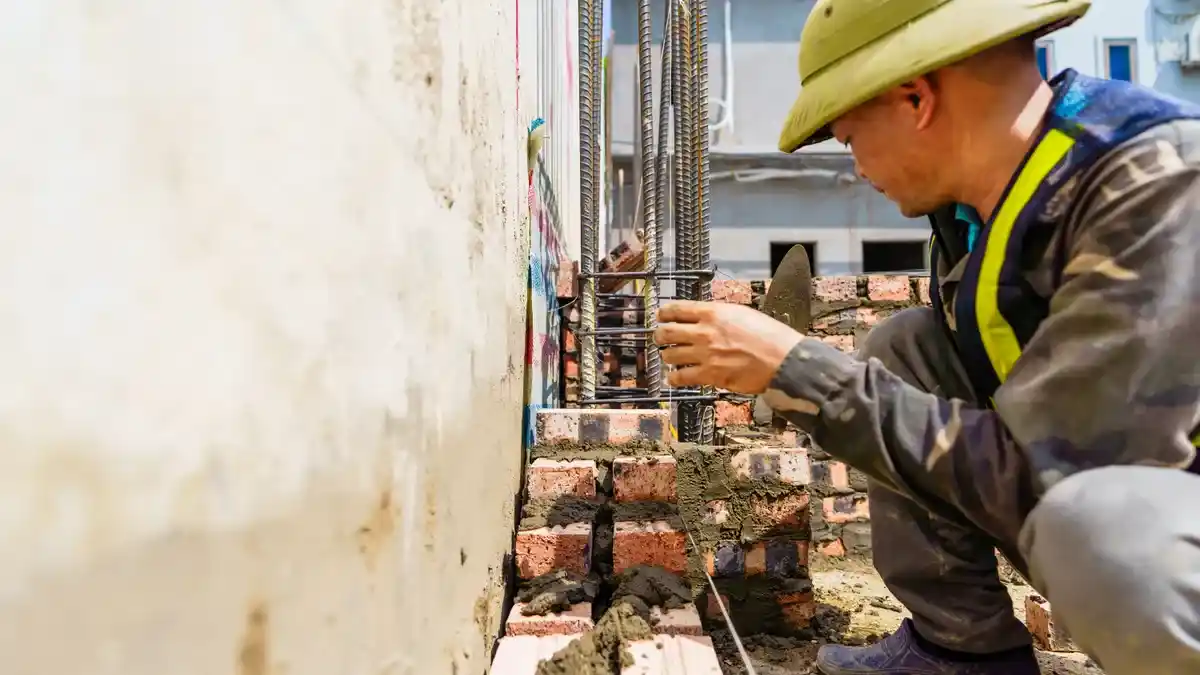
Bowing starts when outside pressure keeps building and the wall can’t resist it anymore. Picture this: you’re standing in a damp basement after a wet spring, and you notice a wall curving inward by a small but visible amount. That curve usually comes from lateral soil pressure, waterlogged backfill, and a wall that has already been weakened by age, poor drainage, or thin construction.
Bowing basement wall prevention and maintenance works best when you treat the soil and runoff as part of the wall system. A wall does not usually bow because of one storm; it bows because months or years of wet soil keep pushing on it. That is why the same wall can look fine in August and strained by spring.
Common pressure sources include:
- clogged gutters and short downspouts
- poor grading that sends runoff toward the house
- heavy clay soil that holds water
- large tree roots drying and shifting soil unevenly
- cracks, mortar loss, or previous patchwork in the wall
- missing or failed footing drains
A lot of homeowners blame the wall first. That’s the wrong order.
The wall is usually the victim.
If a basement wall is already leaning, the goal changes from “prevent” to “slow further movement and relieve pressure.” That distinction matters because a wall that is already moving can keep moving even after the basement looks dry for a while.
How do you keep water away from the foundation?
You keep water away by moving roof runoff and surface water off the property before it can soak the soil around the wall. Picture this: rain hits your roof, splashes into a clogged gutter, spills at the corner, and soaks the same strip of ground every storm. That strip becomes a pressure zone against the basement wall.
The first line is simple maintenance. Clean gutters twice a year at minimum, and sooner if nearby trees shed leaves or needles. Downspouts should discharge well away from the foundation; many drainage plans use extensions in the 6- to 10-foot range so water does not dump next to the footing. The exact distance depends on slope, soil, and local runoff rules, but “right next to the house” is never the answer.
Keep these habits on a short loop:
- check gutters after spring storms and fall leaf drop
- clear downspout elbows and splash blocks
- watch for puddles beside the foundation after rain
- make sure mulch is not piled against siding or foundation concrete
- keep window wells free of leaves and standing water
A lot of basement wall movement starts above ground. That’s the part people miss.
And it’s fixable.
Two authoritative starting points for runoff control are FEMA’s flood and drainage guidance and the U.S. EPA’s homeowner water-management material. Those agencies do not sell a wall repair, so their advice is usually less glamorous and more useful than a marketing page.
What grading and drainage changes make the biggest difference?
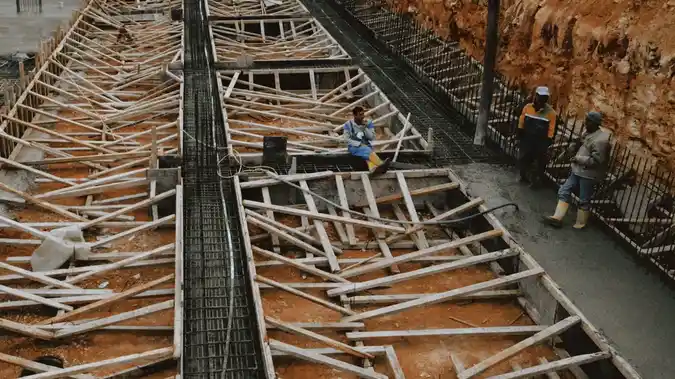
Proper grading and drainage are the changes that buy the most protection for the least drama. Picture this: you look at the yard from the side and see soil sloping toward the house instead of away from it. That slope funnels water straight to the foundation, where it can soak backfill and press on the wall for hours.
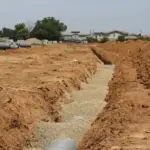
The rule of thumb most homeowners hear is slope away from the house, not toward it. Around the foundation, the ground should shed water outward, and low spots near the wall should be filled and shaped so water does not sit there. The exact pitch depends on the yard, but the goal is obvious: no ponding near the foundation.
A drainage upgrade may include:
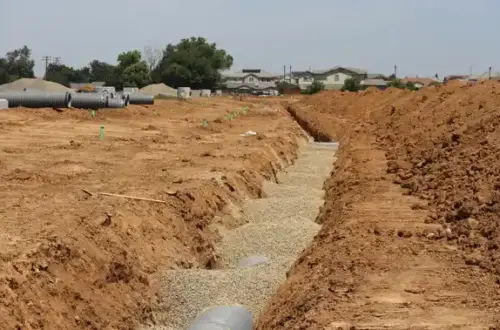
- regrading low spots beside the house
- repairing negative slope at sidewalks, patios, or driveways
- extending downspouts
- adding or clearing footing drains where present
- installing a sump pump if groundwater is an issue
- redirecting discharge far from the foundation
Not every basement needs a full exterior drain system.
But every basement needs a path for water to leave.
Here’s the catch: drainage fixes work best before the wall bends much. If a wall is already bowing, new grading can help prevent worse movement, but it won’t straighten the wall by itself. That is where many DIY plans fall short. The wall needs pressure relief and structural support, not just a drier yard.
One useful standard to keep in mind is this: if the wall shows new cracks, worsening inward movement, or fresh water entry after drainage work, the system was not enough on its own. That means the next step is more than maintenance.
Which wall warning signs mean trouble is already underway?
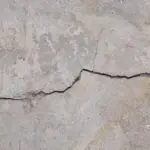
Visible movement, widening cracks, and stair-step cracking are the signs that the wall has gone past simple maintenance and into repair territory. Picture this: you spot a crack that used to be hairline, and now it is wider in the middle than at the ends. That pattern often means the wall is not just cracked; it is flexing.
The most useful signs are not dramatic. They are small and persistent:
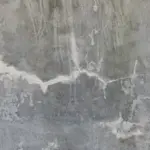
- horizontal cracks, especially in the middle third of the wall
- inward curve or bulge when viewed from the side
- stair-step cracks in block walls
- doors or windows in the basement that start binding
- fresh mortar loss along block joints
- water seepage that gets worse after rain
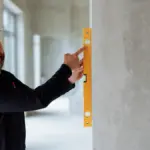
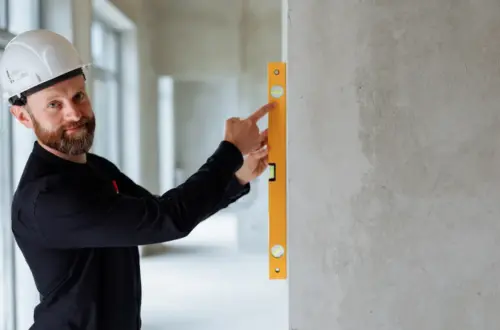
- a wall that sounds hollow or feels uneven when checked with a straight edge
A crack by itself is not always a collapse warning. The pattern matters more than the size alone. Horizontal cracking with inward movement is much more serious than a small vertical shrinkage crack in poured concrete.
Watch the wall over time.
That’s the real test.
A simple monitoring method helps: mark crack ends with pencil dates, take photos from the same angle every month, and note whether the crack length or width changes after storms or freeze-thaw cycles. If the change is ongoing, the wall is active, not just old.
When a wall shows a long horizontal crack, obvious inward bowing, or new movement after the basement has been dry for a while, prevention alone is no longer enough. At that point, a professional structural review is the safer next step. That is not alarmism; it is plain geometry.
What maintenance should happen every season?
Seasonal maintenance is often the least expensive way to keep a wall from turning into a structural job. Picture this: the house is fine for most of the year, then one heavy rain, one clogged gutter, or one frozen drain line pushes the wall a little farther inward. That’s why basement maintenance works best as a calendar habit, not a one-time project.
A practical maintenance cycle looks like this:
- Spring: inspect gutters, downspouts, sump discharge, and grading after snowmelt
- Summer: check for dry shrinkage gaps, root growth, and standing water after thunderstorms
- Fall: clean gutters and clear window wells before leaf drop builds up
- Winter: watch for ice dams, frozen discharge lines, and new seepage after thaws
Every inspection should include the same few points. Look at the wall, then look outside where the water comes from. A basement wall rarely bows in isolation. The roof, yard, and drainage system all leave clues.
Useful habits include:
- keeping dehumidification in range so humidity does not feed mold on already damp walls
- making sure sump pumps, if present, discharge away from the house
- checking that exterior hose bibs do not leak into the soil
- trimming vegetation that holds moisture against the foundation
- keeping heavy stored items away from suspect walls so movement is easier to see
The best part? Most of this takes minutes, not days.
But it has to be done on purpose.
If the home is in a freeze-thaw climate, winter matters too. Frozen soil expands and shifts, then thaws and settles. That cycle can worsen small weaknesses in a wall already under pressure. A wall with known bowing deserves more frequent checks after winter storms than a wall that has stayed straight for years.
Can you DIY prevention, or does a bowing wall need professional help?
You can absolutely DIY the prevention side, but you should not DIY a seriously bowing wall. Picture this: you’re comfortable cleaning gutters and shaping soil, but the wall itself is already curved inward and cracking. That is the line where maintenance stops being enough and structural judgment matters.
DIY is a good fit when the wall is straight or only showing very early warning signs. Good DIY tasks include:
- cleaning gutters and extensions
- correcting negative grading
- sealing small non-structural surface cracks for water control
- clearing window wells
- maintaining sump systems
- tracking wall movement with photos and measurements
DIY is the wrong move when you see:
- a visible inward bulge
- horizontal cracking in block or concrete
- crack growth over a few months
- doors or windows that suddenly stick
- water plus movement together on the same wall
- a wall that seems to have changed after heavy rain or thaw
The reason is simple. Surface fixes do not stop structural loading.
A patch is not a brace.
A serious repair plan may involve carbon-fiber reinforcement, steel beams, wall anchors, or drainage work on the exterior, depending on the wall type and the cause of movement. Those are not maintenance tasks. They are repair systems chosen for a specific wall condition. The wrong repair can hide the problem while the wall continues to move.
If the wall is already bowing by a visible amount, a qualified foundation specialist or structural engineer should treat the situation as structural, not cosmetic. That is the safer way to find out whether movement is active, what pressure is causing it, and whether drainage alone is still enough.
What should you do right now if you suspect movement?
You should start by documenting the wall, then remove water pressure, then decide whether the wall is stable enough for maintenance alone. Picture this: you’ve noticed something off, but you’re not sure whether it’s old or active. That uncertainty is normal, and it is exactly why a simple action plan helps.
Use this order:
- Take clear photos of the wall from the same angle.
- Measure crack width and note the date.
- Check gutters, downspouts, grading, and window wells the same day.
- Look for fresh water stains, damp areas, or efflorescence.
- Recheck after the next hard rain.
If the issue is minor and stays unchanged, you may be dealing with a drainage problem that maintenance can control. If the wall keeps changing, it needs a repair plan, not just a cleanup plan.
A good rule is this: movement plus moisture is a bad combination.
Ignore neither.
One more useful benchmark: if you can see the wall curve with your eyes from across the basement, it is not too early to take it seriously. Many homeowners wait for a large crack before acting. That delay is expensive. The wall does not care whether the warning felt small.
What are the honest limits of prevention?
Prevention can slow or stop many problems, but it cannot reverse a wall that has already lost structural capacity. Picture this: you do everything right outside, and the wall still leans inward because the damage was already there. That is the hard truth. Maintenance can reduce pressure; it cannot make concrete or block un-bow itself.
Prevention works best when:
- the wall is still straight
- drainage problems are the main issue
- cracks are small and stable
- there is no ongoing inward movement
Prevention is not enough when:
- the wall has a clear inward bow
- the crack pattern is getting worse
- there is repeated seepage from the same wall
- the soil outside stays wet for long periods
- previous patching did not stop movement
This is where bad advice does the most damage. People are often told to “seal the crack” and wait. That can be fine for a dry hairline crack that is not moving. It is not fine for an active bowing wall. Water control and structural support are two different jobs.
The most reliable prevention program is simple: keep runoff away, keep soil dry, inspect often, and act early. That is less exciting than a miracle coating, but it is what actually reduces risk.
FAQ
How often should I inspect a basement wall for bowing?
Inspect it at least twice a year, and again after major storms or spring thaw. If the home already has cracks, seepage, or a history of water problems, monthly checks make more sense because small changes are easier to catch early.
Does sealing basement cracks stop bowing?
No, sealing cracks does not stop a wall from bowing if the wall is still under pressure. Crack sealant may help with water entry on a stable wall, but it does not remove soil pressure or correct movement. If the crack is horizontal or widening, the problem is structural.
What is the fastest way to reduce pressure on a basement wall?
The fastest practical step is to move water away from the foundation with clean gutters, extended downspouts, and corrected grading. That will not straighten an already bowed wall, but it can reduce the amount of force pushing on it and slow further damage. See also our guides on downspout extensions, gutter cleaning, and foundation drainage.
When is a bowing wall an emergency?
It becomes urgent when the inward movement is obvious, the crack is widening, or the wall is leaking and changing at the same time. If the wall is rapidly moving, visibly bulging, or showing signs of failure, it should be evaluated promptly by a structural professional. Related reading: foundation repair and structural engineer consultation.
Can a basement wall stay bowed without collapsing?
Yes, a bowed wall can remain in place for a long time, but that does not mean it is safe to ignore. Some walls move slowly for years before getting worse, while others change quickly after a wet season or freeze-thaw cycle. The risk is in assuming it will stay the same.
Drafted with AI; not yet reviewed by a person.


5 Comments on “Bowing Basement Wall Prevention and Maintenance”