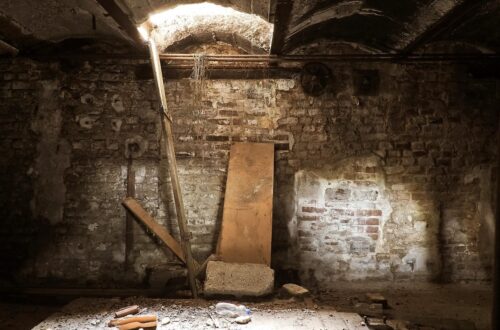



Finding a horizontal crack in your basement wall can be stressful, especially when you are unsure whether it is a minor issue or a sign of structural damage.
Unlike some small surface cracks, horizontal foundation cracks can indicate that pressure from the surrounding soil is pushing against the basement wall.
In certain situations, these cracks are associated with inward wall movement, bowing, or foundation instability.
Understanding why horizontal cracks develop, what warning signs to look for, and which repair options may be available can help you make informed decisions about your home.
What Is a Horizontal Basement Wall Crack?
A horizontal basement wall crack is a fracture that runs primarily from side to side across a foundation wall.
These cracks commonly appear in:
- Poured concrete basement walls.
- Concrete block foundation walls.
- Mortar joints between concrete blocks.
- Older masonry foundation walls.
Horizontal cracks can develop near the middle of a wall, although their location and pattern depend on the forces affecting the foundation.
When external soil pressure pushes against a basement wall, the wall may begin bending inward. This movement can create horizontal cracking.
6 Common Causes of Horizontal Cracks in Basement Walls
1. Excessive Lateral Soil Pressure
Soil surrounding a basement foundation applies pressure to underground walls.
When that pressure becomes greater than the wall can resist, the wall may begin moving inward.
This movement can create horizontal cracks, particularly in walls that are not adequately reinforced for the surrounding conditions.
2. Hydrostatic Pressure From Groundwater
Water accumulating in the soil around a basement can increase pressure against foundation walls.
This is known as hydrostatic pressure.
When drainage systems are ineffective or groundwater levels rise, the additional pressure may contribute to foundation wall movement.
Homeowners may also notice water seepage through existing cracks.
3. Expansive Clay Soil
Clay-rich soil can expand when it absorbs moisture.
When soil surrounding a basement expands, it may place additional pressure against the foundation walls.
Repeated moisture changes can contribute to ongoing stress.
This is one reason foundation problems may become more noticeable after periods of heavy rainfall or seasonal moisture changes.
4. Poor Exterior Drainage
Drainage problems can allow water to accumulate around the foundation.
Common examples include:
- Clogged gutters.
- Downspouts discharging beside the house.
- Improper landscaping slopes.
- Blocked exterior drainage systems.
- Low areas where rainwater collects.
When water repeatedly accumulates near basement walls, it can contribute to increased soil pressure.
5. Inadequate Wall Reinforcement
Basement walls must be designed to resist the lateral forces created by surrounding soil.
If a foundation wall has insufficient reinforcement or was not constructed appropriately for the soil conditions, it may become more vulnerable to cracking and inward movement.
An inspection can help determine whether the problem involves wall design, reinforcement, or external pressure.
6. Foundation Deterioration
Older foundation materials may deteriorate over time.
Concrete deterioration, weakened mortar joints, and previous structural damage can reduce a wall’s ability to resist external forces.
A professional assessment can help distinguish between material deterioration and active structural movement.
Are Horizontal Cracks More Serious Than Vertical Cracks?
Horizontal cracks can be more concerning than some vertical cracks because they may indicate lateral pressure against the foundation wall.
However, crack direction alone cannot establish the severity of a foundation problem.
Here is a general comparison:
| Crack Type | Possible Causes | What to Watch For |
|---|---|---|
| Horizontal | Lateral soil pressure, wall movement | Bowing, widening, displacement |
| Vertical | Shrinkage, settlement, other movement | Increasing width, water seepage |
| Diagonal | Differential movement, stress | Stair-step patterns, displacement |
| Stair-step | Movement in block or masonry foundations | Cracked mortar joints, shifting blocks |
Not every horizontal crack means a wall is about to fail. However, a new or expanding horizontal crack deserves professional evaluation, particularly when the wall appears to be moving inward.
Warning Signs That a Horizontal Crack Needs Attention
Look for these additional symptoms:
Visible Wall Bowing
A horizontal crack accompanied by a visible inward curve may indicate that the wall is experiencing lateral movement.
Increasing Crack Width
If a crack becomes wider over time, it may indicate continuing movement or deterioration.
Water Entering Through the Crack
Water seepage can indicate that moisture is reaching the foundation wall through an existing opening.
Cracked or Displaced Concrete Blocks
If individual blocks appear to be shifting or separating, the problem may involve more than a surface-level crack.
Gaps Near the Top of the Wall
A gap between the basement wall and the floor framing above may indicate significant movement.
If you notice sudden movement, substantial displacement, or signs of instability, keep people away from the affected area and seek an urgent structural assessment.
How Are Horizontal Basement Wall Cracks Repaired?
The appropriate repair depends on the wall’s construction, the amount of movement, and the underlying cause.
Several methods may be considered.
1. Carbon Fiber Wall Straps
Carbon fiber reinforcement systems are installed vertically along the interior surface of a basement wall.
They are designed to help resist further inward movement.
These systems may be appropriate for certain walls with limited displacement and suitable structural conditions.
However, they do not automatically straighten an already bowed wall.
2. Steel I-Beams
Steel I-beams can be installed vertically against the interior side of a basement wall.
They provide additional structural support and help resist lateral pressure.
Their suitability depends on wall condition, floor framing, foundation construction, and the available installation space.
3. Wall Anchors
Wall anchors are designed to stabilize basement walls by connecting the interior wall to an anchoring system installed in suitable soil outside the foundation.
Depending on the system and site conditions, anchors may help restrain movement and sometimes allow controlled wall correction.
Exterior access and soil conditions must be evaluated before installation.
4. Drainage Improvements
If water accumulation contributes to excessive soil pressure, drainage improvements may be part of the repair plan.
Possible measures include:
- Extending downspouts.
- Correcting surface grading.
- Repairing existing drainage systems.
- Installing suitable drainage solutions.
- Addressing recurring groundwater problems.
Drainage improvements alone may not stabilize a wall that has already experienced structural movement.
Can You Repair a Horizontal Basement Crack With Epoxy?
Epoxy injection is sometimes used to repair certain cracks in concrete.
It can restore continuity across suitable concrete cracks, depending on the product and conditions.
However, sealing a crack does not necessarily correct the pressure causing the crack to form.
If a horizontal crack is associated with a bowing or moving foundation wall, structural evaluation should come before choosing a crack repair product.
Cosmetic crack sealing alone may not address the underlying problem.
How Much Does Horizontal Basement Wall Repair Cost?
The cost depends on several factors, including:
- Wall material and dimensions.
- Length and severity of the crack.
- Amount of inward movement.
- Selected stabilization method.
- Accessibility of the basement.
- Exterior excavation requirements.
- Drainage improvements.
- Engineering and permit requirements.
A small crack repair and a complete wall stabilization project are very different types of work.
For an accurate estimate, a contractor should inspect the wall and explain the proposed repair scope.
Be cautious of estimates that recommend a specific structural system without adequately evaluating the existing wall.
Frequently Asked Questions
Are horizontal cracks in basement walls always serious?
No. Their significance depends on the cause, size, location, and whether the wall is moving. However, horizontal cracks should be evaluated, particularly when accompanied by bowing or displacement.
Can horizontal basement cracks cause water leaks?
Yes. Water can enter through existing cracks when groundwater or surface water reaches the foundation wall.
Should I fill a horizontal basement crack myself?
Avoid treating a potentially structural crack as a simple cosmetic problem. Have the wall evaluated before deciding whether sealing alone is appropriate.
Can carbon fiber straps repair horizontal cracks?
Carbon fiber systems can help stabilize certain basement walls, but suitability depends on the wall’s condition and the extent of movement. They do not automatically correct every type of structural damage.
Do horizontal cracks mean my foundation is failing?
Not necessarily. They can indicate lateral pressure or structural movement, but the actual condition requires an appropriate inspection.
Final Thoughts
Horizontal cracks in basement walls should never be dismissed without considering the surrounding conditions.
Soil pressure, water accumulation, expansive clay, and inadequate reinforcement can all contribute to foundation wall cracking.
The most important step is identifying the underlying cause before selecting a repair method.
If you notice horizontal cracks, inward bowing, or increasing wall displacement, arrange a professional foundation assessment.
Disclaimer: This article provides general educational information and is not a substitute for professional structural evaluation or repair advice.