

Water problems in a basement are often treated as separate from foundation problems. However, the two can be closely connected.
When water accumulates in the soil surrounding a basement, it can create additional pressure against the foundation walls.
This pressure is known as hydrostatic pressure. When it becomes excessive, it can contribute to cracking, inward wall movement, and other foundation problems.
Understanding the connection between water pressure and basement wall bowing can help homeowners recognize drainage problems before they become more serious.
What Is Hydrostatic Pressure?
Hydrostatic pressure is the pressure exerted by water at rest.
In a residential foundation, groundwater can accumulate in the soil surrounding basement walls.
As the amount of water in the surrounding soil increases, pressure against underground foundation surfaces can also increase.
This pressure may become particularly problematic when:
- The soil does not drain properly.
- Groundwater levels rise.
- Heavy rainfall saturates the surrounding ground.
- Exterior drainage systems are blocked.
- Water collects near the foundation.
If the basement wall cannot adequately resist the applied pressure, it may begin cracking or moving inward.
How Does Water Pressure Cause Basement Walls to Bow?
The process often develops gradually.
Step 1: Rainwater Collects Around the Foundation
When rainwater cannot drain away from the house, it may accumulate in the surrounding soil.
Poor grading, clogged gutters, and improperly positioned downspouts can contribute to this problem.
Step 2: The Soil Becomes Saturated
As water enters the ground, the soil becomes heavier and may develop increased pressure against underground foundation walls.
The behavior depends on soil composition and drainage conditions.
Clay-rich soils can be particularly challenging because they generally drain more slowly than many sandy soils.
Step 3: Pressure Builds Against the Basement Wall
Water accumulation can increase lateral pressure against the foundation.
The amount of pressure depends on groundwater conditions, soil characteristics, and the depth of the wall.
Step 4: The Wall Begins Experiencing Stress
If the wall cannot adequately resist the external pressure, it may begin bending inward.
Cracks can develop as the wall experiences additional stress.
Step 5: Bowing or Structural Movement May Develop
If the pressure continues and the wall remains inadequately supported, inward movement may progress.
The wall may develop visible bowing, horizontal cracks, or displacement.
Not every water problem causes structural movement, but persistent water pressure is an important condition to investigate when foundation walls are cracking or bowing.
7 Signs That Water Pressure May Be Affecting Your Basement
1. Water Seepage Through Basement Walls
Water entering through cracks or wall joints may indicate that moisture is reaching the foundation from outside.
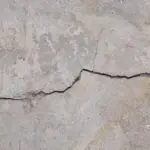
2. Horizontal Wall Cracks
Horizontal cracks can develop when basement walls experience lateral pressure.
Water-related soil pressure may be one contributing factor.
3. Inward Wall Movement
A visible curve or inward displacement may indicate that the wall is experiencing structural stress.
4. White Powdery Deposits on Concrete
White mineral deposits on basement walls are often called efflorescence.
They can form when moisture moves through masonry or concrete and leaves dissolved minerals behind.
Efflorescence is evidence of moisture movement, but it does not independently establish structural damage.
5. Damp Basement Walls After Heavy Rain
If basement walls repeatedly become damp after rainfall, exterior water management should be investigated.
6. Water Pooling Near the Foundation
Standing water near the exterior foundation can indicate drainage or grading problems.
7. Musty Basement Odors
Persistent dampness can contribute to unpleasant odors and conditions that encourage mold growth.
Although a musty smell does not prove foundation wall movement, it may indicate a moisture problem worth addressing.
What Causes Water to Accumulate Around Basement Walls?
Several property maintenance issues can contribute to water accumulation.
Clogged Gutters
When gutters become blocked with leaves and debris, rainwater may overflow close to the foundation.
Short Downspouts
Downspouts that discharge water immediately beside the house can concentrate moisture near basement walls.
Improper Yard Grading
If the ground slopes toward the house instead of away from it, rainwater may flow toward the foundation.
Poor Drainage Systems
Damaged or blocked exterior drainage systems may prevent water from moving away from the foundation effectively.
High Groundwater Levels
Some properties experience naturally high groundwater levels or seasonal groundwater changes.
This can increase moisture exposure around basement foundations.
How Can Homeowners Reduce Water Pressure Around Their Foundation?
Although homeowners cannot control every groundwater condition, several maintenance steps may help manage surface water.
Keep Gutters Clean
Remove leaves and debris regularly to help gutters carry rainwater away from the roof.
Extend Downspouts
Make sure downspouts discharge water at an appropriate distance from the foundation.
Correct Surface Grading
Where practical, maintain ground slopes that direct surface water away from the house.
Inspect Exterior Drainage
Check visible drainage components for damage, blockages, or signs of improper operation.
Address Basement Moisture Problems
Recurring seepage should be investigated rather than repeatedly covered with paint or surface sealants.
These steps can reduce certain sources of water accumulation, but they cannot replace structural repair when a basement wall has already moved.
What Are the Repair Options for a Bowing Basement Wall Caused by Water Pressure?
The repair approach depends on both the wall’s structural condition and the water-related problem.
Carbon Fiber Reinforcement
Carbon fiber straps may be suitable for certain walls with limited displacement.
They are installed on the interior wall surface to help resist additional movement.
Steel I-Beams
Steel I-beams provide interior structural reinforcement and may be appropriate for certain walls requiring additional support.
Wall Anchors
Wall anchor systems connect the basement wall to suitable exterior soil and can help restrain inward movement.
Some systems may allow controlled correction under appropriate conditions.
Drainage Improvements
If water accumulation contributes to the problem, drainage corrections may be included in the repair plan.
Depending on the property, these could include surface grading, downspout improvements, or professionally designed drainage systems.
Waterproofing
Waterproofing systems may help manage water intrusion, but waterproofing alone does not necessarily stabilize an already bowing wall.
Structural stabilization and water management should be evaluated together when both problems are present.
Does Basement Waterproofing Stop Wall Bowing?
Not necessarily.
Basement waterproofing focuses on controlling water intrusion and moisture.
Structural wall stabilization focuses on resisting movement and supporting the foundation wall.
These are related but different objectives.
If the wall has already developed structural movement, installing a waterproofing system alone may not address the existing damage.
A complete assessment should identify whether the property needs drainage improvements, structural stabilization, waterproofing, or a combination of these services.
When Should You Get a Professional Inspection?
Consider arranging a professional assessment if you notice:
- Horizontal cracks in basement walls.
- New or increasing inward wall movement.
- Water entering through foundation cracks.
- Concrete blocks shifting out of alignment.
- Repeated basement flooding combined with visible wall damage.
If a basement wall suddenly moves or appears unstable, keep people away from the affected area and seek urgent professional assistance.
Frequently Asked Questions
Can heavy rain cause basement walls to bow?
Heavy rain can saturate the surrounding soil and increase pressure against basement walls. Under certain conditions, this additional pressure can contribute to inward movement.
Does hydrostatic pressure affect concrete basement walls?
Yes. Hydrostatic pressure can act against underground concrete and masonry foundation walls. The wall’s ability to resist this pressure depends on its design, reinforcement, construction, and surrounding conditions.
Will a sump pump prevent basement wall bowing?
A properly designed sump pump system may help manage groundwater and reduce certain water-related problems. However, it does not automatically stabilize a wall that has already experienced structural movement.
Can sealing basement cracks stop hydrostatic pressure?
Sealing a crack may help reduce water entry through that opening, depending on the repair method. It does not necessarily eliminate the external pressure acting on the wall.
Is water pressure the only cause of bowing basement walls?
No. Soil pressure, expansive clay, construction deficiencies, and other structural conditions can also contribute to basement wall movement.
Final Thoughts
Water pressure can play an important role in basement foundation problems.
When groundwater accumulates around a foundation, hydrostatic pressure may increase the stress placed on underground walls.
Good drainage, proper gutter maintenance, and appropriate surface grading can help manage water around a home.
However, if your basement walls already show horizontal cracks or inward movement, a professional assessment is important.
Identifying both the structural problem and the underlying moisture conditions is essential for choosing an effective long-term repair approach.
Disclaimer: This article is for general educational purposes only and is not a substitute for a professional foundation inspection or engineering assessment.